










Mar 14., 2024 / Business
Unveiling the Iowa Land Buyers: Exploring Trends and Opportunities
In the heart of America’s agricultural landscape lies the state of Iowa, renowned for its fertile soil and vast expanses of farmland. With its rich agricultural heritage and strategic location, Iowa has long been a focal point for land buyers seeking to invest in the nation’s food production industry. From local farmers expanding their operations to institutional investors eyeing lucrative opportunities, the Iowa land market attracts a diverse array of buyers with varying objectives and strategies.
Understanding the dynamics of Iowa land buyers requires a closer look at the factors driving demand and shaping investment decisions. Several key trends and opportunities emerge within this dynamic market:
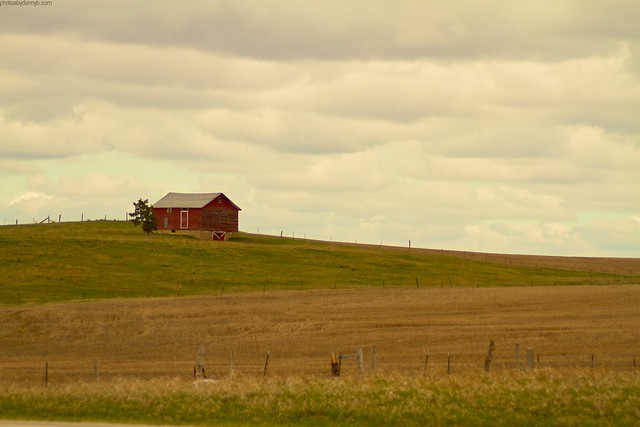
- Local Farmers: Local farmers represent a significant portion of land buyers in Iowa. These individuals are often seeking to expand their existing operations, increase their land holdings, or secure prime parcels to optimize crop rotation and production efficiency. For them, investing in Iowa land is not just a financial decision but a commitment to sustaining the state’s agricultural legacy.
- Investment Firms and Institutional Investors: Iowa’s fertile land and stable agricultural economy also attract investment firms and institutional investors looking to capitalize on the steady returns offered by farmland. These entities may deploy capital through various investment vehicles such as farmland investment funds, real estate investment trusts (REITs), or direct acquisitions. For them, Iowa’s land market offers the dual appeal of income generation through agricultural leases and the potential for long-term capital appreciation.
- Foreign Investors: In recent years, Iowa has seen growing interest from foreign investors, particularly those from countries with a strong agricultural sector seeking to diversify their portfolios and gain exposure to the U.S. farmland market. While foreign investment can inject additional capital into the state’s economy, it also raises questions about land ownership regulations and the long-term implications for local communities and agricultural practices.
- Conservation and Environmental Groups: Beyond traditional investors, Iowa’s land market also attracts interest from conservation and environmental groups seeking to preserve ecologically significant areas, restore native habitats, or promote sustainable farming practices. These buyers often collaborate with landowners and governmental agencies to facilitate conservation easements, land trusts, or voluntary land stewardship programs aimed at protecting Iowa’s natural resources for future generations.
- Development and Urban Expansion: With its growing population and expanding urban areas, Iowa also witnesses land buyers interested in development opportunities. While agricultural land remains the primary focus, certain regions may experience increased demand for residential, commercial, or industrial development, driven by factors such as population growth, infrastructure projects, or shifting land use patterns.
Navigating the Iowa land market requires a nuanced understanding of these various buyer profiles, market dynamics, and regulatory frameworks. Factors such as soil quality, proximity to markets and infrastructure, water availability, and zoning regulations all play a crucial role in determining the value and suitability of a particular parcel of land.
Moreover, the socio-economic and demographic trends shaping Iowa’s agricultural landscape, such as generational transitions, technological advancements, and evolving consumer preferences, further influence the behavior of land buyers and the future trajectory of the state’s land market.
In conclusion, the landscape of Iowa’s land buyers reflects the diverse interests, objectives, and strategies within the broader agricultural industry. Whether driven by profit motives, conservation goals, or development aspirations, these buyers collectively contribute to the vitality and resilience of Iowa’s land market, shaping its trajectory for generations to come.

LEAVE A REPLY