










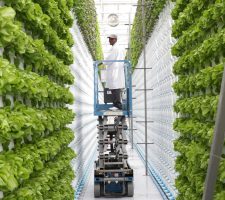
Unlocking Hydroponic Secrets: A Dive into Research Studies
Hydroponics, the soil-less method of growing plants, has captured the attention of farmers, researchers, and sustainability enthusiasts worldwide. Its potential to revolutionize agriculture and address food security challenges is nothing short of remarkable. This blog delves into the world of hydroponic research studies, highlighting significant findings that have contributed to the growth and development of this innovative farming technique. For more information regarding hydroponic plant one can visit our site https://hydroponicglobal.com.au/.
1. “Effects of Different Substrates on Plant Growth in Hydroponic Systems”
– Published in: PLoS ONE, 2013.
– Authors: Li, L., Li, J., Wei, D., Li, X., & Ma, X.
This study explores the impact of various substrates, such as rock wool, coconut coir, perlite, and vermiculite, on plant growth in hydroponic systems. Researchers investigated factors like water retention, aeration, and nutrient retention to identify the most suitable substrate for different hydroponically grown crops. The findings offer valuable insights for growers seeking optimal substrate choices.
2. “Optimizing Nutrient Management in Closed Hydroponic Systems”
– Published in: Acta Horticulturae, 1995.
– Author: Ho, L.C.
Focusing on nutrient management, this research delves into strategies for optimizing nutrient use efficiency in closed hydroponic systems. It explores methods to reduce waste and ensure that plants receive the right nutrients at the right time. For hydroponic growers aiming to maximize resource utilization, this study is a valuable resource.
3. “Microbial Community Structure and Dynamics in the Rhizosphere of a Medicinal Plant in Response to Hydroponic Cultivation”
– Published in: PLoS ONE, 2018.
– Authors: Huang, X., Liu, Y., & Feng, H.
Investigating the microbial community dynamics in the rhizosphere of hydroponically cultivated medicinal plants, this study sheds light on how hydroponic systems impact root-associated microbial communities. Understanding these changes is crucial for assessing their potential effects on plant health and growth.
4. “Evaluation of Hydroponic and Aeroponic Systems for Green Bean, Lettuce, and Wheat Growth”
– Published in: International Journal of Agriculture and Biology, 2009.
– Authors: Hasan, H.A., & Al-Shamma’a, M.M.
This research evaluates the performance of hydroponic and aeroponic systems for growing green beans, lettuce, and wheat. It assesses factors like growth rate, yield, and water-use efficiency, providing insights into the suitability of these systems for various crops.
5. “A Review of Nutrient Management Studies in Hydroponic Systems”
– Published in: HortScience, 2002.
– Authors: Bugbee, B., & Koerner, G.
This comprehensive review covers nutrient management practices in hydroponic systems. It includes discussions on nutrient formulation, delivery methods, and optimization for different plant species. It serves as a valuable resource for growers aiming to fine-tune their nutrient management strategies.
6. “Assessing the Sustainability of Hydroponic Greenhouse Systems in Alberta, Canada”
– Published in: Sustainability, 2018.
– Authors: Beck, T., Belair, D., & Muslic, A.
This research assesses the sustainability of hydroponic greenhouse systems in Alberta, Canada. It examines environmental, economic, and social aspects of hydroponic production, offering insights into the potential benefits and challenges of scaling up hydroponic agriculture.
These hydroponic research studies provide a deeper understanding of various aspects of soil-less farming, from optimizing nutrient management to evaluating the sustainability of hydroponic systems. Researchers, farmers, and sustainability advocates can leverage these findings to advance hydroponics as a sustainable and efficient method of food production.
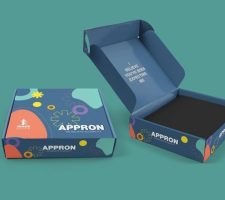
Logo-Imprinted Packaging Solutions: Elevating Branding Through Every Package
Logo-imprinted packaging solutions are strategic approaches that integrate a brand’s logo onto various packaging materials, turning them into powerful tools for brand recognition and promotion. These solutions enhance brand visibility, create memorable unboxing experiences, and reinforce brand identity. Here’s an exploration of the benefits of logo-imprinted packaging solutions:
- Brand Recognition: Logo-imprinted packaging ensures that your brand’s logo is prominently displayed and recognized by recipients.
- Instant Brand Recall: The presence of your logo on packaging materials instantly triggers brand recognition and familiarity.
- Consistency Across Touchpoints: Logo-imprinted packaging maintains visual consistency across different customer interactions.
- Unboxing Experience Enhancement: Logo-imprinted packaging contributes to an exciting and memorable unboxing experience.
- Shareable Packaging: Visually appealing packaging with imprinted logos often makes its way onto social media, generating organic brand exposure.
- Mobile Branding: Imprinted logos on packaging materials serve as mobile advertisements, reaching a wider audience during transit.
- Professional Appearance: Logo-imprinted packaging projects professionalism and a commitment to quality.
- Direct Brand Messaging: Packaging provides space for additional brand messages, website URLs, or promotional content.
- Brand Advocacy: Recipients of logo-imprinted packaging materials are more likely to become brand advocates, sharing their positive experiences.
- Versatility in Design: Logo-imprinted packaging solutions offer creative design possibilities that resonate with your brand aesthetics.
- Differentiation in Market: Among generic packaging, imprinted logos stand out, making your brand easily distinguishable.
- Consistent Brand Experience: Logo-imprinted packaging ensures a seamless brand experience from purchase to receipt.
- Elevated Perceived Value: Well-designed packaging with imprinted logos enhances the perceived value of the contents.
- Trust and Credibility: The presence of your logo on packaging materials adds authenticity and builds trust with customers.
- Sustainable Focus: Logo-imprinted packaging can align with eco-friendly practices, showcasing your brand’s commitment to sustainability.
- Bridge to Online Experience: Logo-imprinted packaging bridges the gap between online interactions and physical product receipt.
Conclusion: Imprinting Brand Identity
Logo-imprinted packaging solutions go beyond functional packaging—they become extensions of your brand’s identity. By embracing logo imprints, businesses enhance brand visibility, create memorable moments, and convey a consistent brand message. Each piece of logo-imprinted packaging becomes an opportunity to captivate, engage, and communicate your brand’s essence. With logo-imprinted packaging solutions, businesses turn packaging materials into strategic brand assets, strengthening their presence and leaving a lasting impression in the minds of customers.
