











Renovating Through the Ages: Historical Influences on Design
In the ever-evolving world of home design and renovation, the concept of a dream home makeover has captivated homeowners for generations. The desire to transform living spaces into something truly remarkable isn’t a modern phenomenon; it’s a journey that spans centuries. In this comprehensive guide, we will delve into the historical influences on design that have shaped the way we renovate our homes today. From ancient civilizations to modern trends, we’ll explore how the past continues to inspire our dream home makeovers.
The Ancient Foundations of Design
Greek Elegance
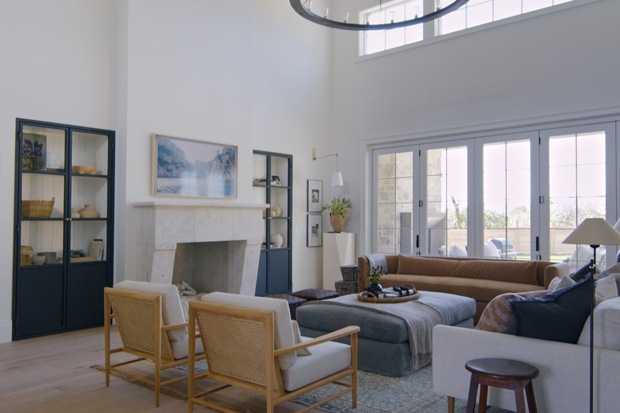
The roots of design can be traced back to ancient Greece, where aesthetics and symmetry played a pivotal role. Greek architecture, characterized by iconic columns and harmonious proportions, has left an indelible mark on the world of design. Today, when homeowners seek to create a sense of classical elegance in their abodes, they often draw inspiration from the time-tested principles of Greek design. Historical influences on design can be seen in the incorporation of vintage lighting, reflecting an era’s aesthetic preferences and technological advancements.
Roman Opulence
Following in the footsteps of the Greeks, the Romans introduced opulence and grandeur to architectural design. Their intricate mosaics, lavish frescoes, and sprawling villas set the stage for the concept of luxury in home decor. Modern renovations often incorporate elements reminiscent of Roman decadence, such as ornate chandeliers and elaborate crown moldings.
The Renaissance Revival
Italian Renaissance
The Renaissance period, originating in Italy, brought forth a rebirth of art and culture. Architects like Leonardo da Vinci and Michelangelo ushered in an era of creativity and innovation. The architectural wonders of this time, including the Florence Cathedral and the Sistine Chapel, remain iconic symbols of artistic brilliance. Today, homeowners aspire to infuse their living spaces with the same sense of creativity and beauty that defined the Italian Renaissance.
Gothic Revival
In contrast to the classical elegance of the Italian Renaissance, the Gothic Revival movement embraced the mystical and ornate. Characterized by pointed arches, stained glass windows, and intricate detailing, Gothic architecture inspired a sense of awe and wonder. Modern dream home makeovers often incorporate Gothic elements to create a unique, otherworldly atmosphere within the home.
The Modern Era
Industrial Revolution
The Industrial Revolution brought about profound changes in architecture and design. The advent of mass production and new materials led to the rise of functional, minimalist aesthetics. Steel, glass, and concrete became prominent, giving birth to the sleek, contemporary designs we see today. The open-concept layouts and industrial finishes so popular in modern homes owe their existence to this era. Embarking on a journey of renovation, spanning from classic to contemporary, unveils the timeless transformations of architectural aesthetics over the ages.
Mid-Century Modern
The mid-20th century witnessed the emergence of the Mid-Century Modern movement, characterized by clean lines, organic shapes, and a focus on simplicity. Design icons like Charles and Ray Eames and Frank Lloyd Wright created furniture and homes that emphasized form and function. Many homeowners today opt for Mid-Century Modern renovations, appreciating the timeless appeal of its design principles.
Contemporary Trends
Minimalism Meets Technology
In the digital age, technology has seamlessly integrated into our lives, including our homes. Smart homes, equipped with automation systems and innovative gadgets, are increasingly popular. This modern trend embraces minimalism, where less clutter and more functionality reign supreme. The dream home makeover of today often features high-tech, interconnected living spaces.
Sustainable Living
As environmental awareness grows, so does the demand for sustainable design. Homeowners are keen on reducing their carbon footprint and embracing eco-friendly practices. This includes using renewable materials, energy-efficient appliances, and sustainable landscaping. Sustainable design isn’t just a trend; it’s a commitment to a greener future.
Conclusion
The journey of renovating a dream home is a testament to the enduring influence of history on design. From the timeless elegance of ancient Greece to the technological marvels of today, each era has left its mark. As homeowners embark on their dream home makeovers, they draw inspiration from the rich tapestry of design history. By honoring the past while embracing the present, they create homes that are truly timeless. The world of design is a reflection of our evolving tastes, needs, and aspirations. It’s a journey that continues to unfold, guided by the echoes of history and the visions of the future. So, as you embark on your own dream home makeover, remember that you are not just creating a living space; you are crafting a story—a story that pays homage to the past and looks forward to the endless possibilities of tomorrow.

Total Health and Fitness Over 40: Tips for Aging Gracefully
Aging is an inevitable journey that brings with it a multitude of changes, both internal and external. As we cross the threshold of 40 and beyond, prioritizing our health and fitness becomes paramount to ensure we navigate this phase of life with vitality and grace. In this comprehensive guide, we’ll explore the science-backed strategies and practical tips that contribute to total health and fitness over 40, empowering you to embrace the aging process with confidence and vigor.
Embracing the Evolution of Health
Aging gracefully begins with a mindset shift. Instead of viewing age as a limitation, consider it an opportunity for growth and transformation. Total health encompasses not only physical well-being but also mental, emotional, and social aspects, all of which play a pivotal role in aging gracefully.
Nourishing Your Body
Nutrition forms the foundation of overall health, and it becomes even more critical as we age. A balanced diet rich in nutrients provides the body with the tools it needs to combat age-related changes and maintain optimal function.

Prioritizing Nutrient-Dense Foods
As metabolism naturally slows down, focus on nutrient-dense foods that provide essential vitamins, minerals, and antioxidants. Incorporate a variety of colorful fruits and vegetables, lean proteins, whole grains, and healthy fats into your diet to support energy levels, immune function, and cellular repair.
Hydration Matters
Staying hydrated becomes increasingly important with age. Aim to drink an adequate amount of water throughout the day to support digestion, joint health, and overall vitality.
The Power of Physical Activity
Regular exercise is a cornerstone of aging well. Engaging in a diverse range of physical activities helps maintain muscle mass, bone density, and cardiovascular health.
Finding Joy in Movement
Choose activities that you genuinely enjoy, whether it’s brisk walks, yoga, swimming, or dancing. Consistency is key, so opt for activities that you’ll be motivated to stick with over the long term.
Strength Training for Longevity
Incorporate strength training exercises into your routine to preserve muscle mass and bone density. Resistance exercises, such as lifting weights or using resistance bands, contribute to functional strength and help protect against age-related muscle loss.
Prioritizing Mental and Emotional Well-Being
Total health encompasses more than just the physical aspects. Mental and emotional well-being play a significant role in aging gracefully.
Cultivating Mindfulness
Practicing mindfulness through meditation, deep breathing, or mindful movement can reduce stress, enhance cognitive function, and promote emotional resilience. Mindfulness also encourages a positive outlook on life and helps navigate challenges with grace.
Lifelong Learning
Engaging in lifelong learning and pursuing new hobbies can stimulate the brain and promote cognitive health. Whether it’s learning a musical instrument, taking up painting, or studying a new language, embracing new challenges keeps the mind sharp and engaged.
Quality Sleep for Vitality
Sleep is a non-negotiable component of total health, especially as we age. Quality sleep supports cellular repair, hormone regulation, and overall well-being.
Establishing a Sleep Routine
Create a calming pre-sleep routine to signal to your body that it’s time to wind down. Avoid electronic devices before bed, create a comfortable sleep environment, and aim for a consistent sleep schedule to optimize sleep quality.
Social Connections and Support
Maintaining strong social connections is crucial for emotional well-being and a sense of belonging.
Nurturing Relationships
Cultivate meaningful relationships with friends, family, and community members. Regular social interactions provide emotional support, reduce feelings of isolation, and contribute to a more fulfilling life.
Regular Health Checkups
Regular health checkups and screenings are essential for proactive health management.
Collaborating with Healthcare Professionals
Schedule regular appointments with your healthcare provider to monitor your overall health, address any concerns, and receive guidance on preventive measures. Regular screenings for conditions such as heart disease, diabetes, and cancer can help detect potential issues early on.
Conclusion
Aging gracefully is a multifaceted journey that encompasses physical, mental, and emotional well-being. By prioritizing nutrition, engaging in regular physical activity, fostering mindfulness, nurturing social connections, and seeking regular healthcare checkups, you can navigate the path of aging with resilience, grace, and a zest for life. Remember, age is merely a number, and the choices you make today profoundly influence your quality of life tomorrow. Embrace the opportunity to age gracefully, knowing that each step you take toward total health and fitness over 40 contributes to a vibrant and fulfilling future.

Unlocking Hydroponic Secrets: A Dive into Research Studies
Hydroponics, the soil-less method of growing plants, has captured the attention of farmers, researchers, and sustainability enthusiasts worldwide. Its potential to revolutionize agriculture and address food security challenges is nothing short of remarkable. This blog delves into the world of hydroponic research studies, highlighting significant findings that have contributed to the growth and development of this innovative farming technique. For more information regarding hydroponic plant one can visit our site https://hydroponicglobal.com.au/.
1. “Effects of Different Substrates on Plant Growth in Hydroponic Systems”
– Published in: PLoS ONE, 2013.
– Authors: Li, L., Li, J., Wei, D., Li, X., & Ma, X.
This study explores the impact of various substrates, such as rock wool, coconut coir, perlite, and vermiculite, on plant growth in hydroponic systems. Researchers investigated factors like water retention, aeration, and nutrient retention to identify the most suitable substrate for different hydroponically grown crops. The findings offer valuable insights for growers seeking optimal substrate choices.
2. “Optimizing Nutrient Management in Closed Hydroponic Systems”
– Published in: Acta Horticulturae, 1995.
– Author: Ho, L.C.
Focusing on nutrient management, this research delves into strategies for optimizing nutrient use efficiency in closed hydroponic systems. It explores methods to reduce waste and ensure that plants receive the right nutrients at the right time. For hydroponic growers aiming to maximize resource utilization, this study is a valuable resource.
3. “Microbial Community Structure and Dynamics in the Rhizosphere of a Medicinal Plant in Response to Hydroponic Cultivation”
– Published in: PLoS ONE, 2018.
– Authors: Huang, X., Liu, Y., & Feng, H.
Investigating the microbial community dynamics in the rhizosphere of hydroponically cultivated medicinal plants, this study sheds light on how hydroponic systems impact root-associated microbial communities. Understanding these changes is crucial for assessing their potential effects on plant health and growth.
4. “Evaluation of Hydroponic and Aeroponic Systems for Green Bean, Lettuce, and Wheat Growth”
– Published in: International Journal of Agriculture and Biology, 2009.
– Authors: Hasan, H.A., & Al-Shamma’a, M.M.
This research evaluates the performance of hydroponic and aeroponic systems for growing green beans, lettuce, and wheat. It assesses factors like growth rate, yield, and water-use efficiency, providing insights into the suitability of these systems for various crops.
5. “A Review of Nutrient Management Studies in Hydroponic Systems”
– Published in: HortScience, 2002.
– Authors: Bugbee, B., & Koerner, G.
This comprehensive review covers nutrient management practices in hydroponic systems. It includes discussions on nutrient formulation, delivery methods, and optimization for different plant species. It serves as a valuable resource for growers aiming to fine-tune their nutrient management strategies.
6. “Assessing the Sustainability of Hydroponic Greenhouse Systems in Alberta, Canada”
– Published in: Sustainability, 2018.
– Authors: Beck, T., Belair, D., & Muslic, A.
This research assesses the sustainability of hydroponic greenhouse systems in Alberta, Canada. It examines environmental, economic, and social aspects of hydroponic production, offering insights into the potential benefits and challenges of scaling up hydroponic agriculture.
These hydroponic research studies provide a deeper understanding of various aspects of soil-less farming, from optimizing nutrient management to evaluating the sustainability of hydroponic systems. Researchers, farmers, and sustainability advocates can leverage these findings to advance hydroponics as a sustainable and efficient method of food production.
Logo-Imprinted Packaging Solutions: Elevating Branding Through Every Package
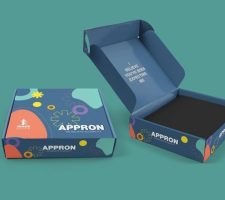
Logo-imprinted packaging solutions are strategic approaches that integrate a brand’s logo onto various packaging materials, turning them into powerful tools for brand recognition and promotion. These solutions enhance brand visibility, create memorable unboxing experiences, and reinforce brand identity. Here’s an exploration of the benefits of logo-imprinted packaging solutions:
- Brand Recognition: Logo-imprinted packaging ensures that your brand’s logo is prominently displayed and recognized by recipients.
- Instant Brand Recall: The presence of your logo on packaging materials instantly triggers brand recognition and familiarity.
- Consistency Across Touchpoints: Logo-imprinted packaging maintains visual consistency across different customer interactions.
- Unboxing Experience Enhancement: Logo-imprinted packaging contributes to an exciting and memorable unboxing experience.
- Shareable Packaging: Visually appealing packaging with imprinted logos often makes its way onto social media, generating organic brand exposure.
- Mobile Branding: Imprinted logos on packaging materials serve as mobile advertisements, reaching a wider audience during transit.
- Professional Appearance: Logo-imprinted packaging projects professionalism and a commitment to quality.
- Direct Brand Messaging: Packaging provides space for additional brand messages, website URLs, or promotional content.
- Brand Advocacy: Recipients of logo-imprinted packaging materials are more likely to become brand advocates, sharing their positive experiences.
- Versatility in Design: Logo-imprinted packaging solutions offer creative design possibilities that resonate with your brand aesthetics.
- Differentiation in Market: Among generic packaging, imprinted logos stand out, making your brand easily distinguishable.
- Consistent Brand Experience: Logo-imprinted packaging ensures a seamless brand experience from purchase to receipt.
- Elevated Perceived Value: Well-designed packaging with imprinted logos enhances the perceived value of the contents.
- Trust and Credibility: The presence of your logo on packaging materials adds authenticity and builds trust with customers.
- Sustainable Focus: Logo-imprinted packaging can align with eco-friendly practices, showcasing your brand’s commitment to sustainability.
- Bridge to Online Experience: Logo-imprinted packaging bridges the gap between online interactions and physical product receipt.
Conclusion: Imprinting Brand Identity
Logo-imprinted packaging solutions go beyond functional packaging—they become extensions of your brand’s identity. By embracing logo imprints, businesses enhance brand visibility, create memorable moments, and convey a consistent brand message. Each piece of logo-imprinted packaging becomes an opportunity to captivate, engage, and communicate your brand’s essence. With logo-imprinted packaging solutions, businesses turn packaging materials into strategic brand assets, strengthening their presence and leaving a lasting impression in the minds of customers.
- PAGE 27 OF 27 -
