










Nov 29., 2023 / Uncategorized
Boost Energy Efficiency: 10 Easy Tips For Saving Power
Energy efficiency is an increasingly important concept for individuals, businesses, and governments around the world. As the demand for energy continues to rise and concerns about climate change and environmental sustainability grow, finding ways to reduce energy consumption and optimize energy usage has become vital. Energy efficiency refers to using less energy to perform the same tasks or achieve the same level of output, thereby reducing waste and maximizing resources.
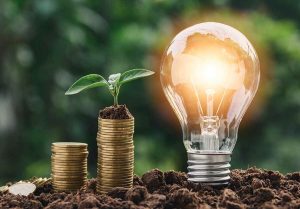
Efficient use of energy not only helps in reducing greenhouse gas emissions but also offers a wide range of benefits. It can lead to cost savings by lowering energy bills and operating expenses, making it an attractive option for both residential and commercial sectors. Moreover, energy efficiency enhances comfort and productivity by creating more comfortable indoor environments with optimal temperature levels and eliminating wasted energy. Additionally, it contributes to energy security by reducing reliance on external sources of energy and increasing self-sufficiency. Overall, energy efficiency plays a crucial role in promoting sustainability, addressing climate change concerns, and ensuring a stable energy future for generations to come.
Importance of Insulation for Energy Efficiency
Insulation plays a vital role in achieving energy efficiency in buildings. By reducing the transfer of heat between the interior and exterior of a structure, insulation helps maintain optimal temperatures inside, reducing the need for excessive heating or cooling. This, in turn, leads to significant energy savings. Insulation can be applied to various parts of a building, including roofs, walls, floors, and windows. It acts as a barrier against heat loss or gain, providing thermal resistance and preventing drafts. By insulating buildings properly, energy consumption can be reduced, resulting in lower energy bills and a smaller carbon footprint. To learn more about how insulation contributes to energy efficiency, you can find answers find answers here.
The Role of Energy-Efficient Appliances
Another crucial aspect of energy efficiency is the use of energy-efficient appliances and equipment. From refrigerators to air conditioners, technological advancements have made it possible to achieve the same level of output while consuming less energy. Energy-efficient appliances are designed to minimize energy waste through improved insulation, better controls, and efficient use of power. For example, advanced HVAC systems equipped with smart thermostats can optimize temperature settings based on occupancy and adjust heating or cooling levels accordingly. Similarly, energy-efficient lighting options such as LED bulbs consume significantly less electricity compared to traditional incandescent bulbs. By adopting these appliances and making informed choices when purchasing new ones, individuals and businesses can reduce their energy consumption and contribute to a more sustainable future.
Moreover, energy-efficient appliances also have financial benefits. While energy-efficient appliances may have a higher upfront cost, they can result in significant long-term savings on utility bills. By using less energy, these appliances can help reduce monthly energy expenses, making them a wise investment in the long run. Additionally, energy-efficient appliances often come with government incentives and rebates, further lowering their overall cost. Furthermore, using energy-efficient appliances can also contribute to a healthier environment. With reduced energy consumption, less fossil fuel is burned, resulting in decreased greenhouse gas emissions and air pollution. This not only helps combat climate change but also improves air quality and public health. In conclusion, incorporating energy-efficient appliances into our daily lives is essential for both individuals and businesses to save money, protect the environment, and promote sustainability for future generations.

LEAVE A REPLY